



















-180x100.png)



10/10/2025
In winter, pigs' metabolism changes. Part of their energy is spent on keeping their bodies warm rather than on growth and fattening. Accordingly, animals need to be provided with a more calorie-dense diet and nutrients.
How does cold weather affect pigs' food requirements?
The optimal body temperature for pigs is 38-39 °C. Every degree below the comfortable temperature forces the body to burn extra calories. Therefore, the need for high-quality energy in winter increases by up to 20%. Appetite also increases in direct proportion to the cold, but feed absorption deteriorates. What is important here? It is not just a matter of giving more food, but of increasing the energy density of the diet, i.e. it must be more calorific.
In winter, the feed is diversified with grain and fat components. Grains are the main source of carbohydrates, while vegetable oils or animal fats increase the calorie content without increasing the volume of feed. It is also recommended to add vitamin and mineral premixes during the cold season for better absorption of vitamins and trace elements.
A balanced diet for pigs in winter
A winter diet should provide:
- enough energy to support growth and body temperature;
- proteins to build muscle mass;
- minerals and vitamins for good metabolism, immunity and reproductive function;
- clean warm water to support digestion and appetite.
Energy sources
Cereals (barley, wheat, corn, oats) provide up to 70% of the energy value of the feed. Corn is the most caloric, but it contains less protein, so it is combined with barley and wheat.
Fats and oils add 2-4% of the feed weight. Sunflower, soybean oil or animal fat can be used here. They enrich the food with calories and reduce feed consumption per unit of growth.
The role of proteins, vitamins and minerals in the diet
Protein is considered the basis of growth. The need for it increases by 5-10% in winter, as the body actively uses amino acids to maintain immunity and restore tissues. Protein is found in soybean, rapeseed, sunflower meal, fish meal and peas.
Vitamin A is important for pigs' immunity, vision and skin; vitamin D is necessary for calcium absorption, and vitamin E prevents stress and weakness in piglets. Don't forget about minerals — calcium and phosphorus for bones and growth; salt — to improve appetite; iron, copper, zinc and selenium — for blood formation.
The recommended ratio in dry feed is: proteins — 15-18%, fats — 3-6%, carbohydrates — 60-65%, vitamins and minerals — 2-3%.
Water as an important element in pig nutrition
Water is just as important as feed. In winter, pigs may drink slightly less if the water is cold. It is important to prevent this, as dehydration quickly leads to loss of appetite and reduced weight gain. Therefore, water should be warm (15-20°C) and always available. Piglets need to be given even warmer water (up to 25°C) to prevent them from getting cold.
Table 1. Approximate composition of feed for pigs in winter
| Pig group | Energy (MJ/kg) | Protein (%) | Fat (%) | Features |
| Piglets (up to 2 months) | 13-14 | 20-22 | 3-5 | More protein for growth |
| Fattening pigs | 12-13 | 16-18 | 5-7 | Increased calorie content |
| Sows | 11-12 | 14-16 | 4-6 | Addition of vitamins A, D, E |
How often and how much to feed pigs in winter
During the cold season, the main task of feeding is to ensure a stable level of energy in the body throughout the day. And here we are talking not only about more calorie-dense food, but also about the amount and feeding regime.
Calculating food portions
Feed consumption depends on the air temperature on the farm: if it falls below a comfortable level, the ration should be increased by 10-20%. For example, if a fattening pig eats 3 kg of feed per day at a temperature of +20°C, then at +10 °C it is necessary to give 3.3-3.6%. For piglets and young animals, the amount is increased to 20%.
It is important to note that it is important to increase the calorie content of feed by increasing the amount of fats, oils and grains.
Feeding frequency and schedule
In winter, it is better to practise fractional feeding. Instead of two large meals, as in the warm season, it is better to feed 3-4 times in small portions. This way, food is better absorbed and digested, the body receives energy all the time and will not overcool. And the animals feel calm because they are always full.
| Temperature, °C | Ration adjustment |
| +15 and above | Rate 100% |
| +5+10 | +10% of feed |
| 0+5 | +15% of feed |
| below 0 | +20-25% of feed |
How to properly organise feed storage in winter
For food to be fully beneficial, it must be stored properly. Even the best feed will lose its nutritional value or spoil under poor conditions.
Protection from moisture and rodents
Moisture is the main enemy of grain and mixed feed. Therefore, farms and warehouses must be dry and clean. Otherwise, mould will appear, leading to digestive disorders, poisoning and reduced weight gain.
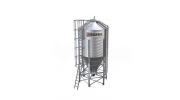
Anything on the floor (feed waste) or near the walls attracts rodents, which destroy stocks and can carry infections. It is better to store feed in wooden or metal containers with tightly closed lids. It is better to place bags on raised platforms (up to 15 cm from the floor) and immediately remove any spilled residues.
Temperature control and ventilation
The optimal temperature for storing grain and compound feed is +15+15°C with air humidity not exceeding 65%. Poor ventilation causes condensation on the walls and floor, the development of fungal microflora and feed caking, and a decrease in nutrient content. It is recommended to ventilate the warehouse 1-2 times a day, checking the feed for colour and smell from time to time: if it is musty or sour, it means that it has gone bad.
Spoiled or damp feed is a direct path to disease and reduced growth.
The role of feeders in pig nutrition
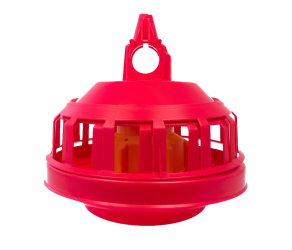
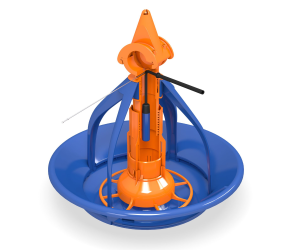
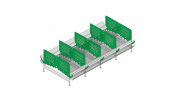
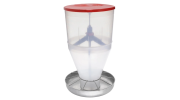
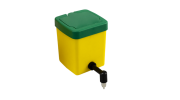
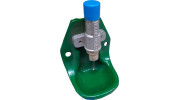
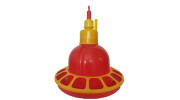
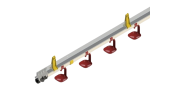
Nutrition is, of course, the basis of good health for pigs. But the importance of equipment is also great. Because here we are talking about how convenient and comfortable it will be for pigs to eat. Modern pig feeders help keep feed dry and prevent spillage and loss. VADA has a wide range of feeders for different groups of animals, including feeders for piglets. Affordable prices, high quality, installation service on the farm if necessary, as well as delivery throughout Ukraine. If you want to buy feeders for pigs, visit the VADA online store. Here you will find solutions that combine efficiency, economy and reliability. Our feeders will help your pigs get complete nutrition even in the coldest months.
10/10/2025