












-180x100.png)


18/02/2025
A stable microclimate is crucial for poultry health and productivity. Temperature fluctuations can lead to stress, reduced egg production and stunted growth. What measures should be taken to reduce the negative impact on poultry? Let's understand together.
Why are temperature changes dangerous for poultry?
When the bird's body is forced to adapt to sudden temperature changes, then, in fact, stress occurs. Different poultry species and breeds have different thermoregulation. For example, broilers are more sensitive to high temperatures, while ducks and geese tolerate cold better. The age of the bird also matters: young birds are sensitive to cool temperatures because their thermoregulation mechanism is not yet developed. Adult birds adapt to temperature changes better.
By squeezing their legs, covering them with feathers and even using fat as insulation, birds warm themselves in cold weather.
Among the key factors that determine a bird's sensitivity is humidity. High humidity at elevated temperatures is bad for the bird's well-being because it cannot cool itself effectively due to moisture evaporation.
Exposure to drafts is a separate topic, because even at relatively comfortable temperatures they can lead to colds.
When a bird experiences heat stress, it loses a lot of moisture, so it's important to make sure it has access to clean water at all times.
An unstable climate can provoke a decrease in egg production, as laying hens are particularly sensitive to temperature fluctuations; in heat stress broilers eat less, and in the cold they spend their energy on body heating instead of weight gain, so growth is stunted.
Ways to protect poultry during winter and summer periods
Abrupt temperature changes are a serious challenge for the poultry industry. But with proper care and preventive measures, it is possible to minimize their impact. Owners often insulate the premises, because they know how poultry protect themselves from the cold - through thick plumage and warming in flocks. In winter, the main task is to keep warm in the room, avoiding drafts. The ceiling and walls are insulated with foam, minwata, polystyrene. But the floor should be covered with a thick layer of bedding made of straw, sawdust, peat or dry leaves. Warm floor in the poultry house will help to reduce heat losses.
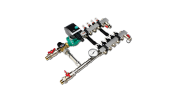
Insulate windows and doors with foil or install double frames. Keeping warm does not mean that the coop should be airtight. It is possible, of course, to heat the house with a warm floor.
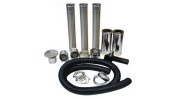
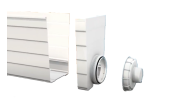
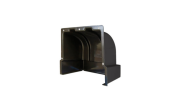
From the droppings in the room ammonia accumulates, which can lead to respiratory problems. Therefore, it is necessary to make small ventilation holes in the upper part of the walls, which can be closed when the frost is severe. As an option, you can use exhaust pipes, the principle of which is as follows: fresh air comes in from below and moist air goes out from above.
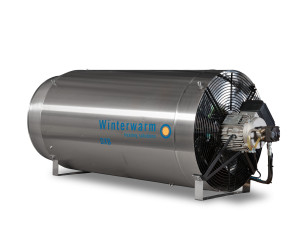
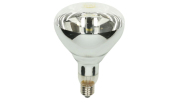
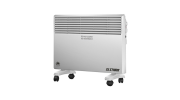
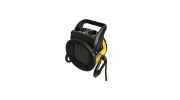
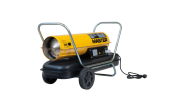
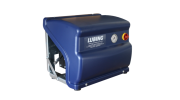
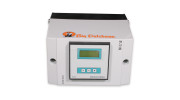
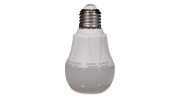
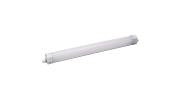
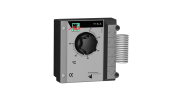
Heating of the house in winter can be provided by using infrared lamps or heaters to maintain an optimal temperature. If necessary, you can use lamps that give localized heat and do not dry out the air, electric heaters with thermoregulation.
The optimal temperature for adult chickens is +10+15°C, for young chickens - +30°C in the first days of life, then a gradual decrease. Humidity should be 60-70%. In case of high humidity, use ventilation or materials that absorb moisture well (dry hay, lime).
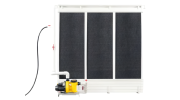
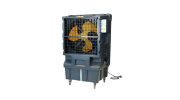
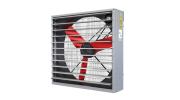
In summer, there is another problem - to cool the coop, because overheating can be a serious threat to the life of the bird. For this purpose, you can use shading nets, tree plantings around the chicken house, arrange fans and hoods, automatic fogging systems.
The room temperature should be +18+25°C.
Rations and supplements to keep poultry healthy during temperature fluctuations
Properly selected diet helps the bird to better adapt to the surrounding conditions. The food should contain vitamins A (strengthens the immune system and protects mucous membranes from infections), D (promotes calcium and phosphorus absorption), E (natural antioxidant), C (helps the body to adapt to temperature changes), B vitamins, minerals and electrolytes (sodium, potassium, chlorine). In winter, give more grains, fats to compensate for energy expenditure on heating. In summer, on the contrary, less fat, and more protein (soy, greens). Well and unimpeded access to clean water.
Common mistakes in protecting poultry from temperature fluctuations
Having insulated the room with foam without a protective layer, you are exposed to the fact that the bird can peck it. Lack of ventilation creates condensation and mold, and a large draft provokes colds in the bird. Using heaters can warm the coop to too high a temperature for the birds, and this is bad in that they lose their natural immunity to the cold.
In summer, ventilation should be as efficient as possible. If there is a strong air flow, the bird may catch a cold. And if there is no ventilation, overheating is possible.
Heating the poultry houses helps the owners avoid hypothermia of the bird and provide them with a comfortable microclimate.
18/02/2025