




















































































-180x100.png)















28/10/2025
The productive life of a sow is the period when the animal brings maximum economic benefit to the farm: it gives birth to piglets and ensures stable lactation. The longer the sow remains healthy and productive, the less costs are spent on replacement and the more piglets are weaned. And here health, hygiene and prevention are key. Without them, even a genetically strong sow risks prematurely leaving the herd due to diseases of the limbs, problems with the reproductive system or infections. “On large farms, the profitability of the farm depends on the duration of the sow’s productive life. It’s not only about health, but also about effective management and hygiene,” notes Anna Vergal, a veterinarian at VADA.
How housing conditions affect the health and productivity of sows
Farrowing of a sow is one of the most important stages in the pig breeding cycle, determining the survival and development of piglets. Its productivity depends on many factors that are closely interrelated.
Nutrition should be correct and take into account the stages of the cycle: pregnancy, lactation and weaning. Balanced feed with the appropriate content of protein, energy, minerals and vitamins is the basis of health and lactation. If the diet is incorrect, sow obesity, reproduction problems and weak piglets are possible.
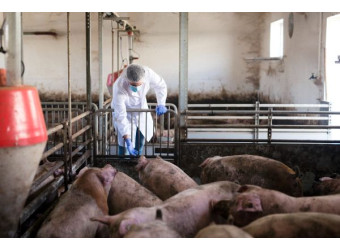
Veterinary care includes timely vaccination, prevention of parasitic diseases, control of inflammatory processes, especially of the reproductive organs, use of proven drugs, etc.
Genetics is important, but without proper care it cannot be fully realized. Therefore, the correct conditions of detention and appropriate nutrition play a significant role here.
“The hooves and joints of a sow are an indicator of the general state of health. Problems with the limbs can reduce lactation and lead to culling,” explains the veterinarian “VADA”.
Why is it important to increase the productive age of a sow
After the third farrowing, a sow becomes “profitable”. What does this mean? The costs of keeping and feeding are less than her contribution to production. As experts note, the real economic benefit begins to accrue during the years of her farrowing.
Why is it not profitable to change sows often? Each new animal means additional costs for purchase, adaptation, vaccination, feed and time until the first farrowing. After the third, a sow consistently brings 10-14 piglets, depending on the breed and conditions of maintenance. For example, a sow that gives birth to 12 piglets at a time and has 5 productive farrowings brings 60 piglets to the farm in total, and replacing her with a new one after the second farrowing reduces this figure by a third.
In addition, long-term maintenance of sows allows you to maximize the genetic potential of the animal.
Table. Calculation of the economic effect of keeping sows
| Productive age of the sow | Number of farrowings | Total number of piglets | Comment |
| 2 farrowings | 2 | 22 | Only includes |
| 3 farrowings | 3 | 36 | Start of economic return |
| 5 farrowings | 5 | 60 | Maximizing economic benefit |
| 7 farrowings | 7 | 84 | Optimizing productive life |
The veterinarian of the company “VADA” recommends: invest not only in young animals, but also in maintaining the health of the sow throughout its productive life. Health + hygiene + prevention = more piglets and less replacement costs. Clear arithmetic.
High productivity of pigs is the result of an integrated approach that combines genetics, management and feeding technologies.
The main reasons for culling and how to prevent them
Each A sow that has to be prematurely removed from the herd is a lost investment, because its productive potential has not yet been fully realized. Therefore, an important task is not only to maintain high fertility, but also to extend the productive life of the animal.
A sow is culled for various reasons. These can be problems with the reproductive system (infertility, reduced fertility, abortions as a result of infections, inflammatory processes or hormonal disorders. To prevent this from happening, it is necessary to carry out prevention: regular sanitation of the genitals, monitoring the sanitary condition of the machines, vaccination, use high-quality water and feed that does not contain mycotoxins. “Any inflammatory process in a sow is a signal not only for treatment, but also for reviewing the conditions of detention. Most often, the root cause is hygiene, not genetics,” says Anna Vergal. Properly selected veterinary drugs for pigs make it possible to reduce treatment costs and minimize losses due to culling.
Limb diseases and lameness often occur due to slippery or wet floor, poor covering, lack of minerals (calcium, phosphorus, vitamin D3), injuries during transport or group changes.
Lactation problems arise due to inflammation of the mammary glands, poor water intake by the sow or stress after farrowing. In the first day of life, the sow's milk is critically important - it contains antibodies that form immunity.
Practical solutions to increase the productive life of sows
Most of these causes can be prevented with the help of quality veterinarydrugs and hygiene. In general, to minimize culling on a sow farm, you need to act comprehensively:
- follow a biosecurity program,
- use regular disinfection of premises and equipment,
- implement scheduled veterinary examinations,
- monitor the condition of hooves, skin, teeth and animal behavior.
For this reason, the catalog of veterinary drugs and hygiene products “VADA” presents solutions that help prevent diseases, maintain immunity and reduce the risks of culling among sows. In addition, a large range of equipment for pig farming will help cover all the needs on your farm.
Conclusion
Continuing the productive life of a sow = profit + stability + sustainable development. The key to this is health, prevention, hygiene and high-quality veterinary drugs. Choose proven veterinary drugs and hygiene products for pigs from “VADA” and ensure a healthy and productive future for your farm. Pig farming in Ukraine is currently being actively modernized through the introduction of modern technologies, biosecurity systems, and production automation.
28/10/2025