










-180x100.png)


What you need to know about reciprocating saws
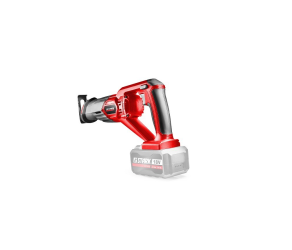
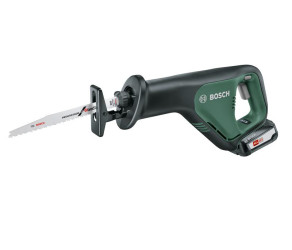
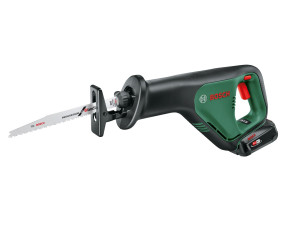
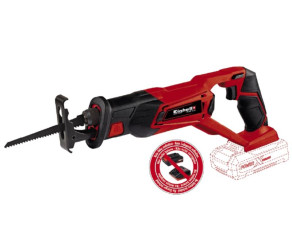
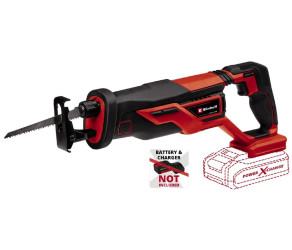
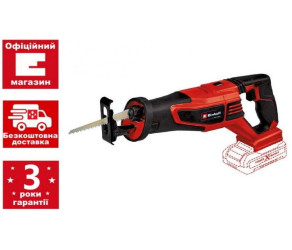
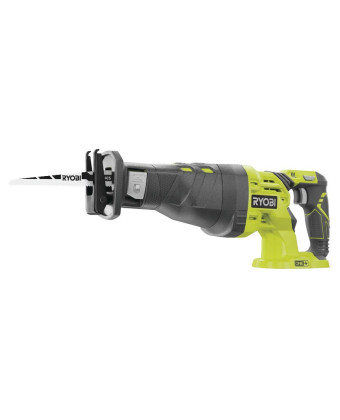
A reciprocating saw is an electric hand tool with a reciprocating saw blade designed for fast cutting of various materials. It works like an electric jigsaw, but with a more powerful stroke and aggressive feed. It looks like a cross between a drill and a chainsaw.
This versatile tool is primarily used for rough but precise cutting. Unlike a circular saw or grinder, a reciprocating saw does not require a perfect fence or markings, can work in hard-to-reach places and can make cuts ‘on weight’.
Compared to a jigsaw, a reciprocating saw is much more powerful and less sensitive to the material. Its main feature is the ability to cut not only along the plane, but also inside the structure, for example, through a pipe in the wall or a beam on the ceiling. What you can do with a reciprocating saw
- cut metal, plastic and PVC;
- work with wood;
- make point cuts or work in places where a conventional saw or grinder cannot reach.
This tool is ideal for demolition work. It is one of the best for demolition work: it cuts drywall, frames, nails, screws, plastic and metal structures quickly.
Reciprocating saw vs hacksaw: what's the difference?
Having figured out what a reciprocating saw is, let's look at the differences between it and another tool. A reciprocating saw and an electric hacksaw are two outwardly similar but functionally different tools. The main difference between them is in power, design, purpose, and application.
Features and applications of a reciprocating saw
The power of the tool ranges from 600 to 1500 watts. It is often equipped with an anti-vibration system and a pendulum. It is equipped with replaceable blades for wood, metal, plastic, and combined blades. A reciprocating saw is optimal for use in construction, major repairs, and for performing installation tasks.
Features and applications of electric hacksawsers
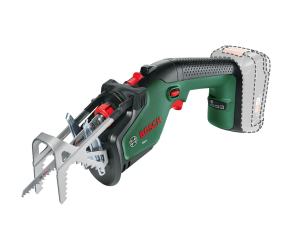
An electric hacksaw is a reciprocating household tool that resembles a hand hacksaw but with an electric drive. Less powerful, it is most often used for simple, neat cuts.
The power of the tool is on average up to 600 watts. An electric hacksaw is lighter and quieter than a reciprocating saw, often without a pendulum stroke and shock absorption systems.
The tool is suitable for smaller jobs (gardening, soft or thin-walled materials). It is a suitable option for use in suburban areas, for household repairs (cutting boards, glazing beads, PVC pipes), and in general, if lightness and minimum vibration are required.
Criteria for choosing a reciprocating saw
How to choose a reciprocating saw? In order to make the right choice and buy the right model, it is important to understand the basic technical parameters of the tool and take into account the area of application: domestic or professional.
Power
Power directly affects performance and the ability to work with dense and thick materials. The parameters for a reciprocating saw are from 800 to 1200 W. For regular work with hard materials, you should not skimp on power: excess is better than deficit.
Saw stroke length
The stroke length is the distance the saw covers in one stroke. The longer the stroke, the faster the cut. There are parameters for the tools (in millimetres):
- 20 - 25 (for precision work and cutting thin materials);
- 26 - 32 (balanced version for universal use);
- 33 - 35+ (high cutting speed, relevant for dismantling and cutting thick workpieces).
A stroke of 26-28 mm is suitable for a home. For professionals, it is better to focus on the 30+ indicator.
Cutting speed and speed control
Cutting speed and speed control are usually measured in strokes per minute (rpm). The higher the speed, the more efficient the cut, especially on soft materials. The range of 0 - 2800 rpm is considered universal. Speed control is a must-have option for comfortable work with different materials (wood, metal, plastic).
Power supply type: battery or mains
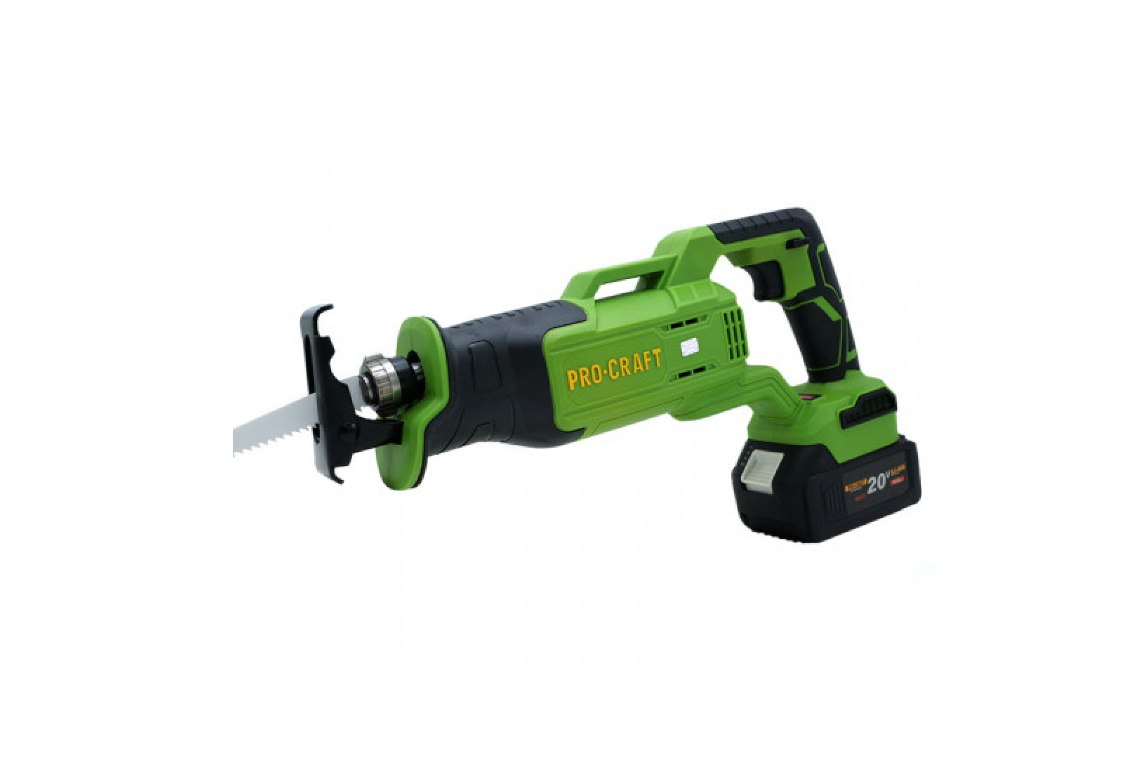
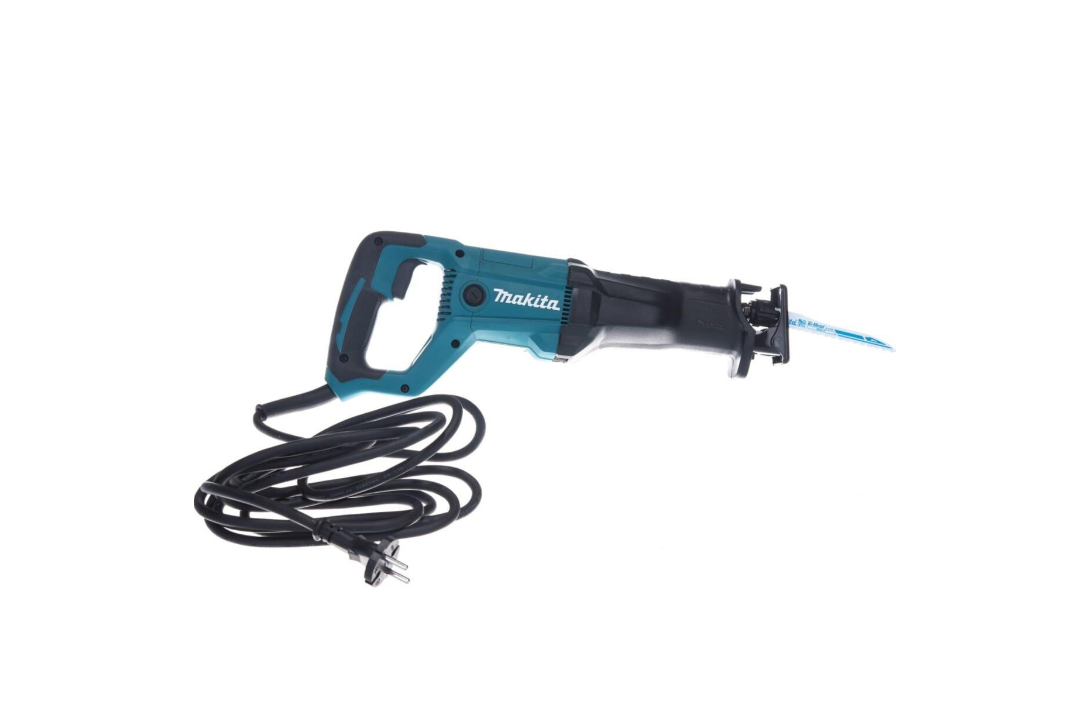
Corded saws have a higher power output. They are suitable for long, continuous work. But they are tied to a power outlet and require extension cords. Cordless reciprocating saws are mobile, allowing you to move around freely while working with them. They are ideal for work on the roof, in the garden, and during dismantling. But keep in mind the limited operating time and the need to charge the batteries.
Making the right choice
Choosing a reciprocating saw is a balance between power, mobility and the type of task. Compact, versatile models with basic functionality are suitable for home use. For professional work, only powerful tools with advanced options that are designed for intensive use. For the home:
- Power - up to 1000 W.
- Saw stroke - 26 - 28 millimetres.
- Power supply - 18 V battery or mains.
For professionals, the following parameters of a reciprocating saw are suitable: power - from 1100 W, saw stroke - 30+ millimetres. As for power supply, you need a powerful battery or mains.
Cordless reciprocating saw: basic principles of operation
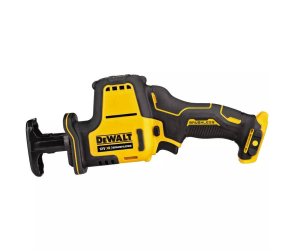
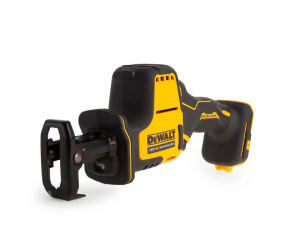
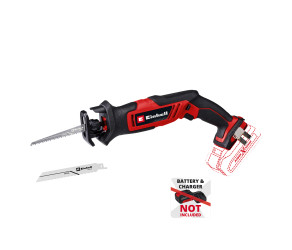
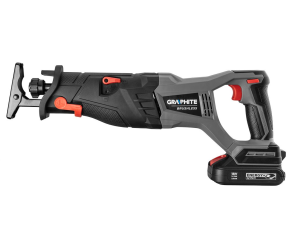
A cordless reciprocating saw is a mobile tool for cutting wood, metal and plastic without being tied to a mains supply. The advantages of such a tool include
- freedom of movement;
- lightweight
- fast file change;
- high performance with a brushless motor.
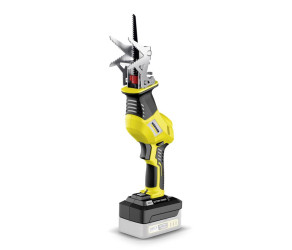
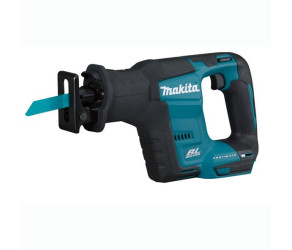
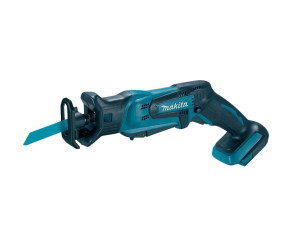
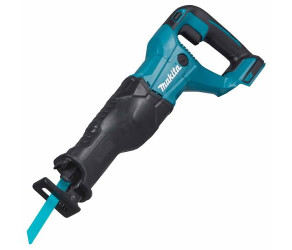
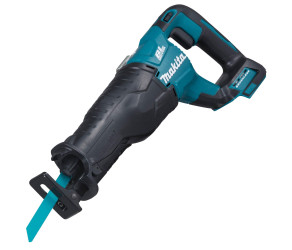
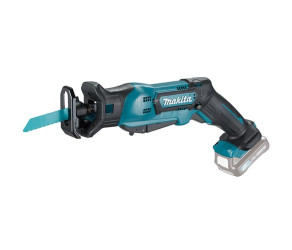
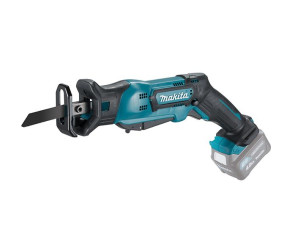
For example, Makita's saber saw stands out for its reliability and ergonomics. Popular models: DJR187 (18 V, brushless motor), DJR188 (compact version), DJR360 (two-battery, 36 V for heavy-duty tasks). Also in demand are Makita DJR186, a simple and powerful tool for everyday tasks, and DJR183, a lightweight and convenient saw for one-handed operation. All models are compatible with the LXT 18V battery.
Advantages of buying a saber saw in the VADA online store
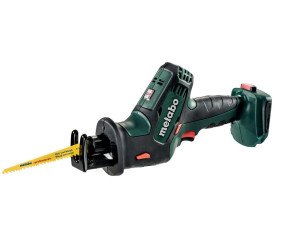
The VADA online store offers a wide selection of saber saws from leading brands: Makita, DeWalt, Bosch, Metabo, and others. Household and professional models are available. Benefits of buying at VADA:
- official warranty;
- fast delivery within the country;
- favourable prices;
- qualified expert advice.
The marketplace provides convenient payment methods. There is also the possibility of online selection of goods for the client's tasks.
 Filters