









-180x100.png)


11/02/2026
In pig farming, there are no trifles. It is important to understand that the productivity of a farm is influenced not only by good pig genetics and high-quality feed, but also by the conditions in which the animals are kept. And one of the most underestimated factors is the microclimate in the pig complex.
In practice, problems arise quite often: in summer — overheating of animals, in winter — increased dampness and condensation on the walls, drafts, lack of fresh air or, conversely, excessive ventilation. All this affects the condition of the pigs: they eat less, grow more slowly, get sick more often, and their immunity decreases.
Temperature fluctuations on the farm cause a decrease in appetite, high humidity creates ideal conditions for bacteria, and poor ventilation leads to the accumulation of ammonia and CO₂. As a result, the farm loses an average of 5–12% of its productivity, and the cost of treating pigs increases.
Why does this happen? Because the microclimate is often overlooked. But experience shows that even modern pig farming equipment does not work without stable temperature indicators.
What are the most common mistakes in the microclimate?
- lack of accurate calculations in the design of the ventilation system - the system does not work properly without careful calculations;
- Installing equipment without a room plan - ventilation is installed without taking into account the location of pig pens and partitions; for this reason, the air is distributed unevenly.
- farm owners ignore the presence of temperature and humidity sensors and sensors that measure harmful gases;
- use of the same scheme for different age groups of pigs;
- untimely maintenance.
As a result, air is distributed unevenly, areas of overheating or overcooling appear, and staff respond to problems too late.
What is a modern microclimate system?
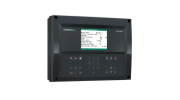
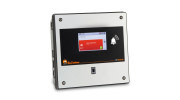
Today, a microclimate is not just a fan or a heater. It is a complex system consisting of sensors for livestock, ventilation, heating, and cooling control devices that work synchronously and are controlled by software.
Automation allows you to maintain comfortable conditions for pigs regardless of the weather and human factors. An additional bonus is energy savings of up to 15-20% thanks to optimal equipment operating modes.
What to look for when choosing a microclimate system for pig farms
When choosing a microclimate control system, it is important to consider:
- the type and size of the premises — the area, ceiling height, and layout determine how much air needs to be supplied and how to properly place the ventilation equipment;
- the number and age of the livestock — the more animals in the room, the more heat, moisture, and gases they emit.
- Piglets, fattening pigs, and sows have different temperature and ventilation requirements;
- the climate of the region where the farm is located — in cold regions, ventilation should work in such a way as not to overcool the premises, and in hot regions, it should effectively cool the air. Humidity, wind load, and seasonal temperature fluctuations are also taken into account. ;
- level of automation - modern systems automatically regulate temperature, humidity, and ventilation using sensors. That is, they maintain a stable microclimate in the room without manual control;
- Future scalability - it is better to install a system that can be easily supplemented or upgraded than to completely redesign the ventilation system later due to an increase in livestock or area.
The supplier is no less important: their experience in pig farming, ability to offer comprehensive solutions, and provide service support.
When the microclimate is well configured and controlled, it ceases to be a problem and begins to work for the profit of the pig farm.
The company VADA specializes in microclimate control systems for pig farms, offering comprehensive automation and installation of microclimate equipment. This allows farmers to maintain optimal conditions for pigs without wasting time and resources.
11/02/2026