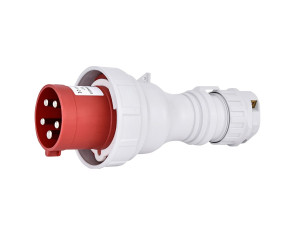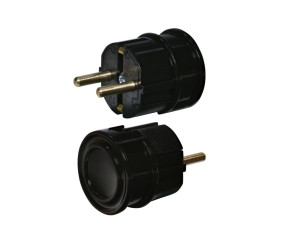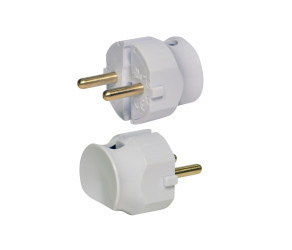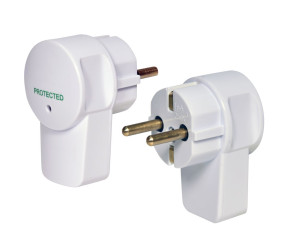





















-180x100.png)



What is a power plug and what is it for?
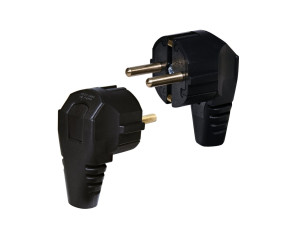
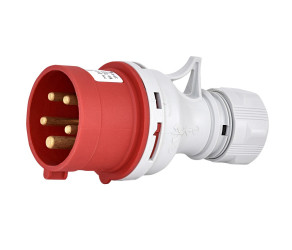
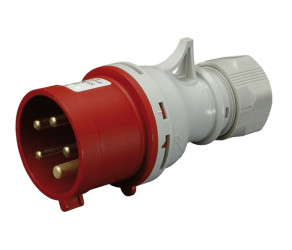
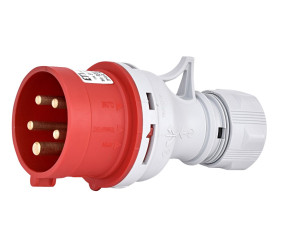
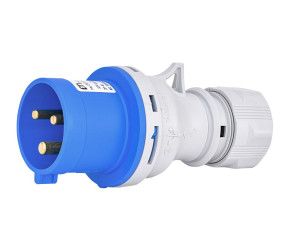
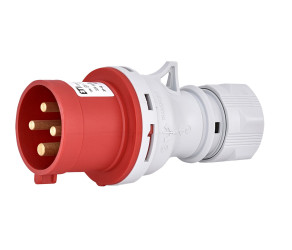
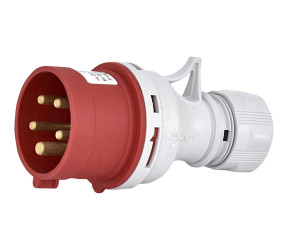
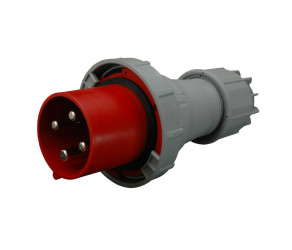
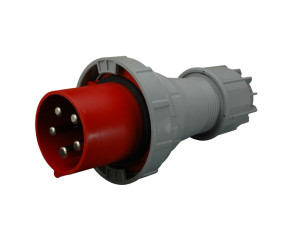
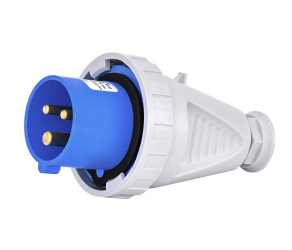
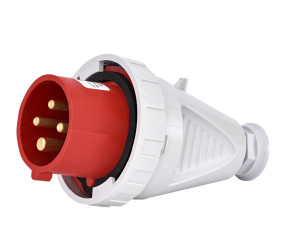
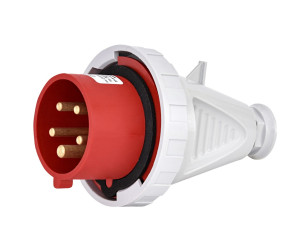
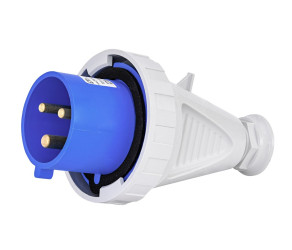
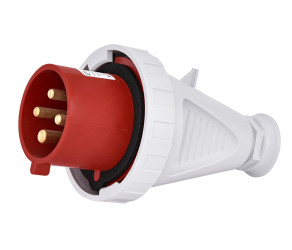
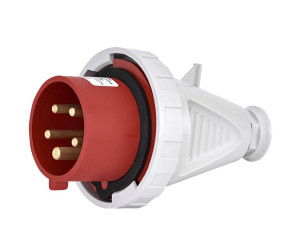
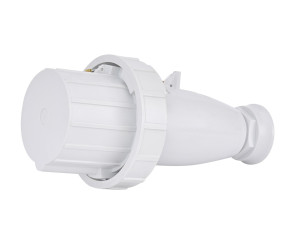
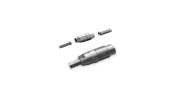
To ensure stable and reliable operation of electrical equipment and to connect high-power power grids, power plugs are used. They have a similar design to household power plugs: they have metal pins in a round body. However, they are made of more durable materials that can withstand high loads.
Use power plugs to connect such equipment:
- heating equipment and heat guns;
- construction equipment;
- lighting systems, generators;
- portable power plants;
- emergency systems;
- laboratory and medical equipment.
The power plug has a robust housing that helps protect metal parts from corrosion and moisture. All connections are reliable, tight, and can withstand chemical and mechanical influences, vibrations, shocks, and temperature changes.
How does a power plug work?
A power plug has the following working arrangement: the ends of the wire are connected to contacts made of brass, steel or copper material. The plug has two or three phases. They are used to transmit electricity to the appliance; the contact, which is also present in the appliance, protects against power surges in the mains, which are manifested by short circuits.
For proper operation of the device, it is recommended to connect the contacts to the correct current-carrying elements. The neutral is associated with a phase and must not be connected to ground. The three-phase plug must be correctly connected to all phases, as this is essential for safe operation of the equipment.
The power plug is an essential element of the plug connection. This device is used to connect the equipment to a power outlet that transmits electrical current. The elements of the plug connection will subsequently come into contact with the pins in the socket. Power taxes differ from household taxes in terms of their design and body thickness. They are connected to industrial or household equipment with a power cable.
Types of power connectors
There are different types of power connectors. There are differences in the type of connection. Single-phase versions are used in domestic installations, designed for voltages up to 250 V, currents up to 16 A, and have 2 contacts for connecting to the mains.
The three-phase plug has 3 contacts for each phase. There are variants with a grounding contact and a neutral contact. The plug is designed to operate in an AC voltage of 380V. The 32A power plug is designed for voltage up to 400V.
There is a difference in the installation method:
- built-in are mounted in walls, floors, and can be used for stationary devices;
- The overlays are mounted on the surface of walls and ceilings and can be quickly replaced in case of breakage;
- portable connectors are used for mobile devices.
According to the degree of protection, power plugs are divided into ordinary and highly protected. The first type is suitable for use in rooms with a stable temperature regime and no impact on electrical equipment. The second type has an enhanced level of protection against dust and humidity, and can be used in production facilities. The body of such a plug can withstand mechanical damage, is reliable and durable.
How do I connect the power plug correctly?
Once the power plug has been selected and is ready for installation, you need to choose the right place to mount it. It must be convenient for connecting and disconnecting the device and meet the operating conditions. This is a very important factor for further operation.
The wiring is being prepared. It must meet the following parameters: wire cross-section, insulation. The 32A power plug must have the appropriate type of compatibility.
The installation process begins with assembly. You will need to prepare special equipment and tools for connecting the plug and wire. Check the compatibility of appliances and devices in terms of power and current. After installation, you need to check the operation of the system and plug the plug into the socket.
During operation, it is necessary to carry out periodic inspection, check the condition of contacts and insulation to prevent emergencies. Clean the device from dust, check the system's performance and, if necessary, replace damaged elements and power connectors. If the plug is out of service, then it should be replaced with a high-quality analogue with the following characteristics.
The correct selection, installation and operation of a power plug can guarantee the efficiency of the system and the durability of electrical appliances and equipment in domestic and industrial environments.
What should I do if the power connector does not work?
If the power plug has been installed but the device does not operate, check that the installation is correct. There may be an incorrect connection. Check the ground connection to the phase. Such a fault can be detected during the preparation and inspection before installation.
The power plugs may not work if the phase order has been reversed. This is particularly true for systems with three phases, especially when using high-power electric motors. To determine the type of phase connection, you must first examine the switchgear diagram.
The connector may not work if the ground connection is incorrect or does not comply with standards. This will affect the operation of the device and the safety of operation. This is especially important when using powerful industrial equipment.
When the connection problem is fixed and the connector starts working, you need to monitor the operating conditions.
How to choose power plugs in the Vada online store?
When selecting, various criteria must be taken into account: type of installation, location, grounding, type of current and its magnitude. The power plug must be suitable for the type of electrical wiring you have. The Vada store has a large selection of power connectors of high quality and affordable prices. If you have any questions when choosing, you can ask for expert help from the store's consultants.
 Filters