






-180x100.png)

Frequency converters: what are they for and how to use them?
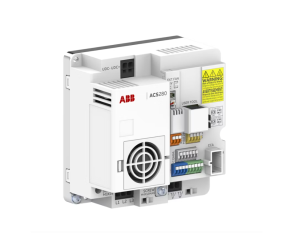
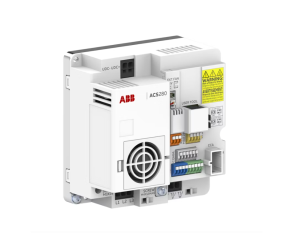
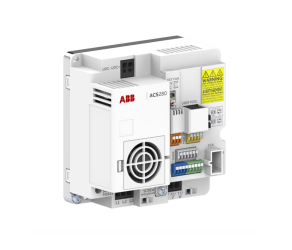
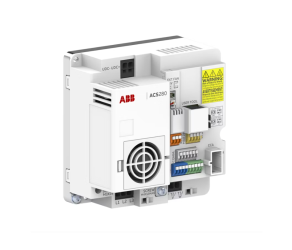
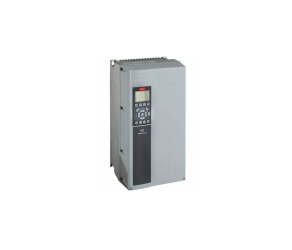
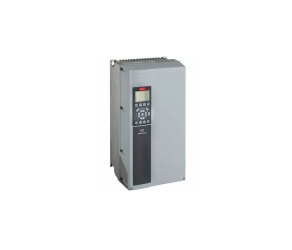
Frequency converters are electronic devices that are needed to change the speed and torque of asynchronous electric motors. The scope of application of the devices has become industrial and commercial automatic control systems: pumps, fans, compressors, conveyors, etc.
What is a frequency converter?
A frequency converter works on the principle of supplying changed frequencies and supply voltage to the motor. This allows you to control the speed and torque of rotation. The frequency converter is used to increase or decrease the speed of rotation of the motor, depending on the requirements.
Such equipment is designed to change the output frequency in a wide range. The electrical circuit of the equipment has 2 main structural elements:
- The power unit operates thanks to thyristors or transistors operating in the mode of electric switches.
- The control unit operates thanks to digital microprocessors.
The main function of the control element is to regulate the operation of the power unit and perform control, protection and diagnostics.
The use of this equipment allows you to significantly reduce electricity consumption, as well as costs for repair work and maintenance of equipment.
Main types of frequency converters
The devices can be used to control various types of electric motors. A single-phase frequency converter is used in household and low-power systems.
For more powerful electric motors, a 3 kW frequency converter is used. Such a device is characterized by high efficiency and a wide range of settings.
A 2.2 kW frequency converter is the optimal solution for medium loads. This type of device helps optimize energy consumption, reduces electricity costs and increases the overall efficiency of production processes. Using a 2.2 kW frequency converter ensures smooth start and stop of machines, which reduces the mechanical load on the equipment.
How to choose a frequency converter for a specific application?
When choosing this device for an electric motor, the following parameters must be taken into account:
- power;
- compatibility with the power supply voltage in the system;
- current;
- compatibility with the type of engine;
- ensuring the required level of control;
- availability of communication options, the ability to connect additional devices.
Theoretically, it is possible to connect one frequency converter to several engines. But the engines will be controlled simultaneously.
Installing a frequency converter
When connecting, it is important to follow the manufacturer's instructions. A circuit breaker is placed in front of the device, operating with an electric current equal to or greater than the rated current of the electric motor. The input terminals are connected to the phases of the power supply network, and the output terminals are connected to the power unit. Grounding is mandatory.
Advantages and possible disadvantages
The main advantages of using devices are energy efficiency and increased equipment service life. Are there any disadvantages to using frequency converters? This is work only to reduce the frequency, interference caused by voltage subharmonics, orientation to work with high powers.
Why is it worth buying frequency converters from "Vada"?
Purchasing frequency converters in the Vada online store provides the following benefits to the customer:
- high product quality;
- certification and compliance with international standards of all devices;
- reasonable prices and regular promotions.
The company's specialists provide professional advice and assistance in choosing the optimal frequency converter according to your needs: engine power, operating conditions and specific requirements.
 Filters