














-180x100.png)
Thermostats and thermostats: the main differences and advantages of using them
Thermostats and thermostats are devices that are important components of climate control systems. These devices differ in their operation and functions. They are similar in purpose - they regulate temperature, have sensors and switch equipment off or on.
What are thermostats and thermostats, and what are they for?
A thermostat is an electronic mechanism that automatically controls the temperature in a particular environment. Its task is to precisely regulate the temperature of the system so that it remains within a predefined range. The controller is used in various industries: in production facilities, laboratories, and heating, ventilation, and air conditioning systems.
The thermostat has a built-in sensor to continuously measure the temperature in the system or room. Based on these sensor readings, the controller sends a command to raise or lower the temperature to reach the setpoint. In other words, it automatically switches the heating/cooling elements of the heater or air conditioner on or off.
A thermostat is a device for ensuring temperature stability in a system. It is designed to maintain the set temperature by switching the heating element on and off. It is used in residential and commercial premises, most often to control the temperature in a heating or cooling system. The difference from thermostats is that thermostats do not provide precise temperature control within a certain range, but maintain a temperature close to the desired value.
What are the different types of thermostats?
Temperature control devices differ in their purpose, control method, type of installation, and power output. However, most devices combine different functions and settings. There are categories such as room thermostat and weather device. The equipment can be wireless and also classified by resistance to the set temperature.
Mechanical thermostats
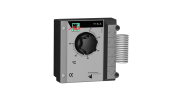
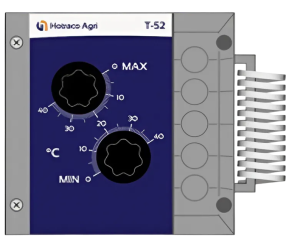
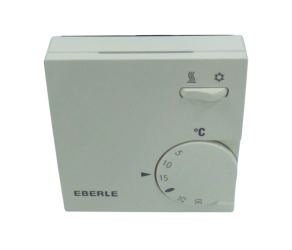
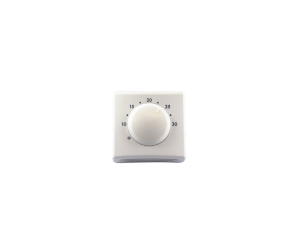
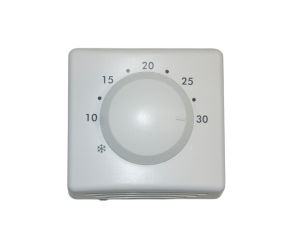
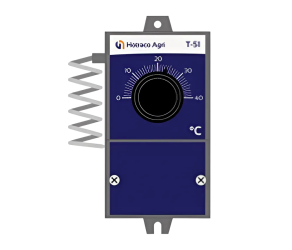
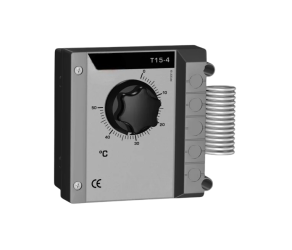
The mechanical thermostat is simple in design and is controlled by a knob or toggle switch. That is, the temperature is set manually. A minimum of digital circuits is used here, which makes this type of device reliable, easy to operate, resistant to power surges, and has a long service life. The mechanical type of device is used in various premises, both domestic and industrial.
Digital thermostats
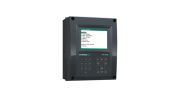
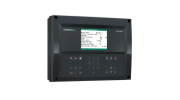
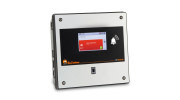
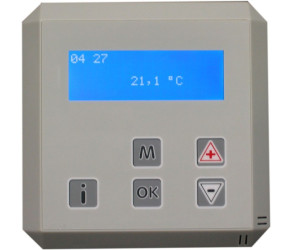
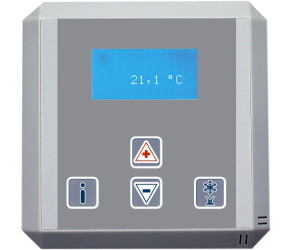
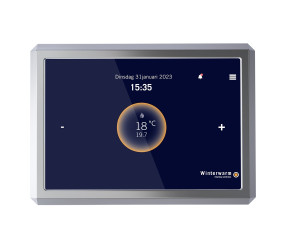
The digital thermostat is a modern device with a display. It has more control functions, such as low temperature protection, multiple device connection, precise temperature range, and a keypad lock for setting and control. A digital device provides more accurate temperature measurement.
Programmable thermostats
The programmable thermostat is most often used for heating large rooms. Thanks to the useful function of setting the temperature by day, you can significantly save energy. In everyday life, such a device allows you to automatically maintain a comfortable indoor climate, while saving a lot of money. Programmability gives you the freedom to set up your heating system according to your schedule and needs.
How to choose the right thermostat?
The choice of temperature controller depends on several criteria:
- type of heating system;
- power;
- installation method;
- type of control;
- programming.
The thermostat for underfloor heating must match the power output of the system. The controller for heating and air conditioning systems can have additional functions: control of several devices at once, timer and programming for economy.
Where is the best place to install the thermostat in the room?
It is important to position the sensor correctly for accurate operation of the device. What are the installation rules:
- height 1.5 m from the floor;
- distance from heat sources;
- away from doors, furniture and household appliances;
- eliminate sunlight exposure;
- in a place protected from moisture.
The device must not be obstructed by furniture, as this may lead to overheating of the equipment. An electric floor heating thermostat should be installed on each heating circuit.
How do I connect and configure the thermostat?
To connect the equipment, you must follow a specific wiring diagram. You can try to install the thermostat yourself if you have basic electrical knowledge. It is better to contact specialists who will install and configure the equipment for its efficient operation.
The main steps in connecting the temperature controller:
- installation of a temperature sensor - for underfloor heating under the floor covering;
- Depending on the type of installation, the thermostat is either wall-mounted or built into a socket box;
- Connect the wires - temperature sensor, power supply, heating cable and ground - to the appropriate terminals.
Boiler thermostats allow for flexible and efficient adjustment of the heating system. Installing such a relay ensures automatic operation, controlling the temperature and functions of the boiler. For some people, connecting and setting up is a simple task if they follow the instructions for the device carefully. Others believe that this work is best done by professionals.
Different types of thermostats at VADA for your needs
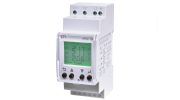
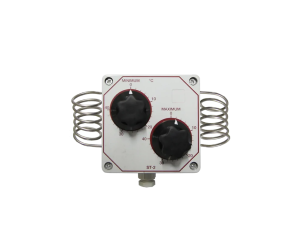
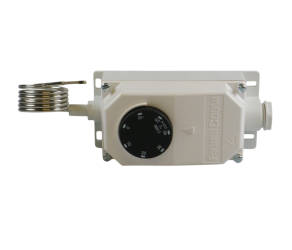
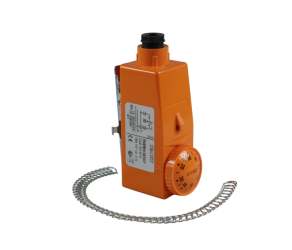
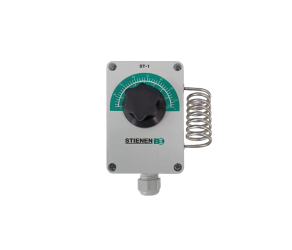
Modern temperature control equipment can be purchased at the Vada online store. The following models are available on the website:
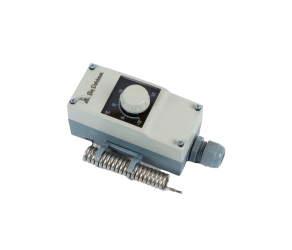
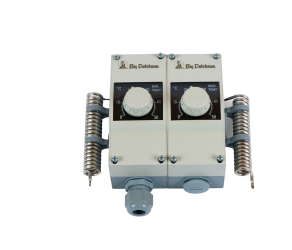
- thermostat from Big Dutchman;
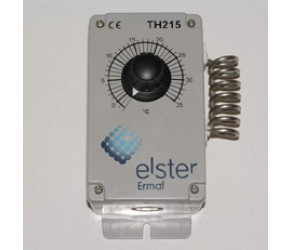
- room by Ermaf;
- double from Fancom;
- moisture-resistant indoor lamp from Winterwarm;
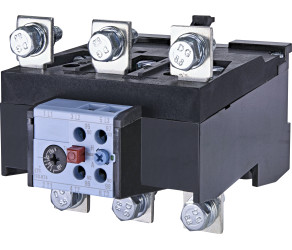
- thermal relay from ETI.
The store's assortment includes only original high-quality products. All equipment from leading European manufacturers is manufactured according to standards, using modern technologies and materials. Professional consultants provide maximum information and help you choose the best model. The company provides installation and maintenance services. Direct deliveries from manufacturers allow us to set reasonable prices. The online store has a clear and transparent policy on the return and exchange of goods.
 Filters
- Сторінка
- 1
- 2