














-180x100.png)

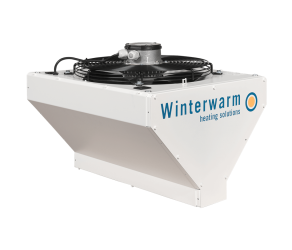
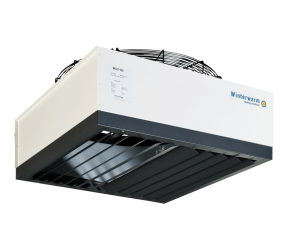
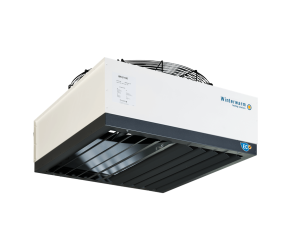
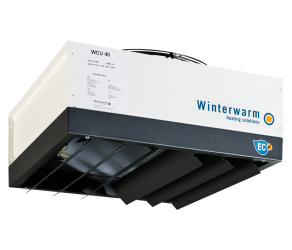
Industrial electric heaters
Cold on the farm is not just discomfort. It means slower growth of poultry, overconsumption of feed, disease, reduced productivity and unnecessary treatment costs. This is especially true in winter or during the off-season, when temperatures fluctuate and maintaining a stable microclimate becomes a real challenge.
This is where industrial electric heaters and heat guns come in handy. They allow you to quickly and controllably heat the air in a poultry house, pigsty or cowshed, where animals really need warmth. In combination with ventilation and automation, such heaters become part of a system that works for results, not just ‘burns kilowatts’. Heating for livestock is not just heat, but part of a complex microclimate system that directly affects the health and productivity of the livestock
Purpose of industrial electric heaters
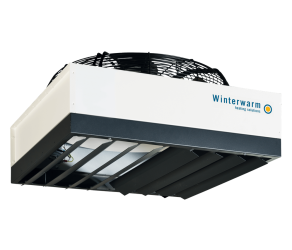
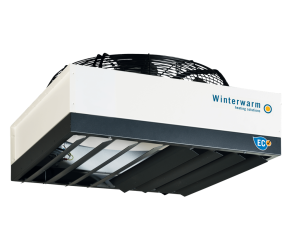
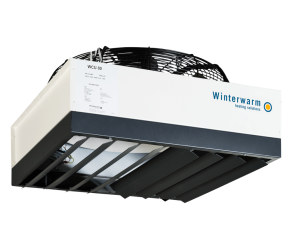
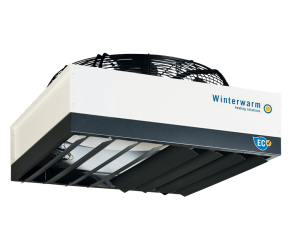
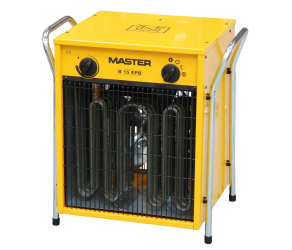
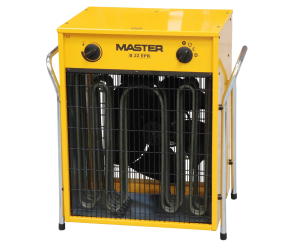
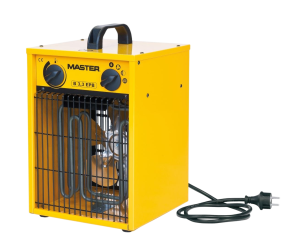
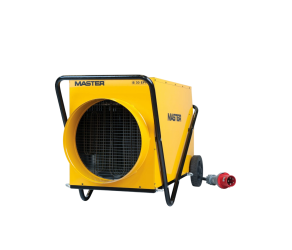
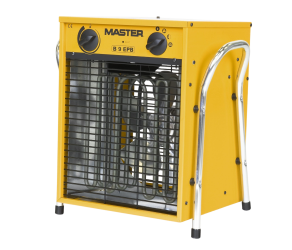
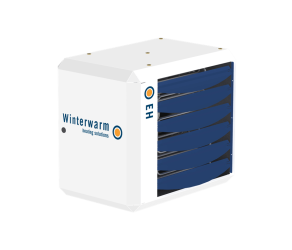
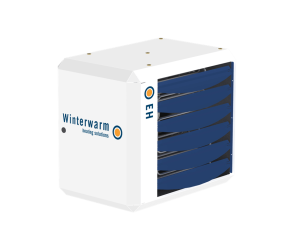
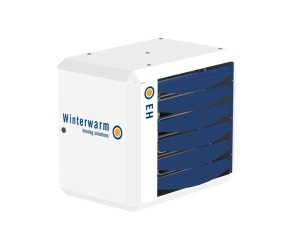
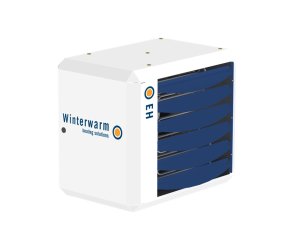
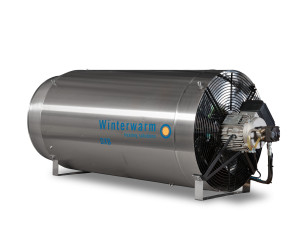
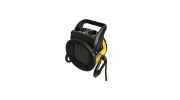
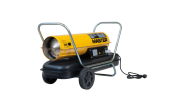
An electric industrial heater, or heat gun, is a device that quickly heats the air in large rooms and maintains the desired temperature without complex fuel systems or chimneys. In essence, it is a powerful heat source that runs on electricity and immediately transfers heat to the room.
In poultry houses, electric heaters help to quickly create the starting temperature for young birds and maintain it without sudden fluctuations. Uniform heating reduces stress in poultry and has a positive effect on feed conversion. Properly designed heating for poultry houses helps maintain a stable microclimate without sudden temperature changes and unnecessary costs.
In piggeries, heat guns are often used as the main or auxiliary source of heat. In conditions of high humidity, they not only heat the air, but also promote its circulation, which reduces condensation.
Electric heaters are used less frequently in cowsheds, but they are indispensable for local heating of calf pens, milking parlours or areas with increased temperature requirements.
Advantages of heat guns
If there were no benefits, there would be no demand. So what are the advantages of this equipment?
- Fast air heating. Unlike water systems, an electric heater starts working immediately after being turned on.
- High thermal power. Even compact models are capable of effectively heating large volumes of air, which is especially important for hangars and poultry houses.
- Ease of installation and operation. No boiler rooms, pipes or complex permits are required; all you need is a properly selected electrical network.
- Mobility. Portable models are easy to move between rooms or use for temporary heating.
- Safety compared to gas counterparts: the absence of open flames and combustion products makes electric heaters convenient for livestock facilities.
The ability to integrate with ventilation and automation systems allows heaters to be included in the overall microclimate system.
| Characteristic | Explanation |
|---|---|
| Power | Affects the heating area |
| Heating type | Direct or indirect |
| Installation method | Wall-mounted, floor-mounted, suspended |
| Energy efficiency | Electricity consumption |
| Protection | Thermal protection, IP class |
Types of industrial electric heaters
Industrial electric heaters differ not only in power, but also in design, heating method and scope of application. It is these differences that determine where and how they are best used.
By power
Small models (5-15 kW) are suitable for small warehouses and technical rooms. Medium models (15-50 kW) are often used on farms and in production workshops. Large models (>50 kW) are designed for hangars and large industrial complexes.
By heating type
Heat guns with fans, which actively mix the air, are very popular.
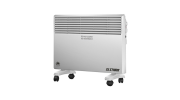
Convection models are quieter but heat more slowly.
Infrared heaters are usually used as an additional heat source for local areas.
By purpose
There are separate models specially designed for different types of premises: farms, warehouses and logistics centres, production workshops, for temporary heating during repairs or construction.
By installation method
Heaters can be wall-mounted, mobile or stationary industrial systems.
Where are electric heat guns installed?
Heat guns are most often installed in warehouses, farms, workshops and industrial buildings. However, their efficiency depends not only on the location, but also on correct installation.
During installation, the following must be taken into account:
- the area and height of the room;
- the level of thermal insulation;
- the presence and type of ventilation;
- permanent or seasonal operation mode;
- power grid capabilities.
An incorrectly selected or installed heater may run idle, so calculation is an important step. In practice, it looks like this: if the heater is installed too high, warm air collects under the ceiling, and the animal housing area remains cold. For example, if the heater is too weak for the volume of the room, it will work continuously, but the temperature will not reach the norm. If the operation is not coordinated with the ventilation, the warm air is immediately expelled outside. That is, electricity is consumed, the equipment is working, but the microclimate in the poultry house or pigsty is unstable.
How to choose the right electric heat gun?
The choice of this type of equipment begins with an analysis of the room. The area and height determine the required power, and the type of animals determines the temperature requirements. For a poultry house, stable temperature and uniform heating without sudden air flows are important.
Electric heaters for poultry houses provide uniform heating in the poultry area, which is especially important in the first weeks of rearing. For pigsties, increased humidity must be taken into account, so equipment protection and effective ventilation are important. For cowsheds, a large volume of air is decisive, requiring more powerful heaters or combined solutions.
In addition, the level of microclimate automation, energy efficiency, type of installation, availability of thermostats and the possibility of connecting to control systems should be taken into account. Buying heat guns should be based on the actual volume of the room, otherwise the equipment will either not heat the farm or will operate with excessive energy consumption.
If you still have questions, VADA consultants will help you choose the optimal model based on the actual conditions of your farm, not just the numbers in the technical passport.
Where to buy an electric heater in Ukraine?
You can buy reliable electric heaters, heat guns and other microclimate equipment in the VADA online store. Here you will find solutions for heating poultry houses, piggeries, cowsheds and industrial premises, as well as ventilation equipment and automation systems. VADA is not just a shop, but a team of specialists who will help you choose, install and configure a heating system for your specific conditions.
Contact VADA and we will select a reliable electric heater or heat gun for your premises.
 Filters