


-180x100.png)
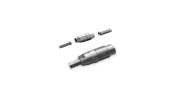
Temperature sensors
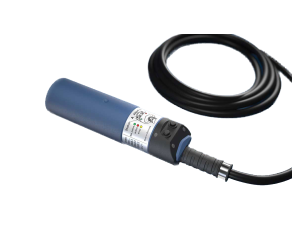
The efficiency of industrial activities depends on the quality of temperature control. To ensure an ideal microclimate on your farm or enterprise, it is necessary to install temperature sensors.
What are temperature sensors and why are they needed?
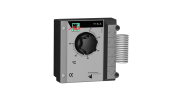
Temperature sensors are devices that are sensitive to any temperature changes. They are used to measure the temperature of gaseous and liquid environments, as well as solid bodies. This is especially important in animal husbandry, poultry farming, the food and pharmaceutical industries. Incorrect temperature control can lead to increased feed consumption and frostbite of poultry limbs at low temperatures, and at high temperatures — to heat stress, reduced productivity and threats to animal health.
Types of industrial temperature sensors
To choose the right sensor for a room, it is important to understand how they work and their features:
| Temperature sensor type | Principle of operation | Temperature range | Accuracy | Advantages | Disadvantages |
Thermocouple | Generates voltage through the thermoelectric effect at the junction of two different metals | -200…+2500 °C (depending on type) | ±0.5–2 °C | Wide range, fast response | Requires cold junction compensation, low accuracy |
RTD (resistive sensor, Pt100/Pt1000) | Change in metal resistance (platinum, nickel) with temperature change | -200…+850 °C | ±0.1–0.5 °C | High accuracy and stability | Expensive, sensitive to mechanical damage |
Thermistor (NTC/PTC) | Change in semiconductor resistance with temperature change | -50…+150 °C | ±0.1–1 °C | High sensitivity, compact size, low cost | Limited temperature range, non-linear characteristics |
Infrared (IR) sensor | Measures infrared radiation from an object | -50…+3000 °C (depending on type) | ±1–5 °C | Non-contact, fast | Sensitive to contamination and dust, requires calibration |
Silicone temperature sensor (Semiconductor) | Voltage or current changes with temperature | -50…+150 °C | ±0.5–2 °C | Small size, low cost, easy connection to microcontrollers | Limited range, average accuracy |
Consultants at the VADA online store will select the right type of sensor for you, one that is ideal for your premises and your field of activity.
Advantages of using temperature sensors
Temperature indicators significantly affect the humidity in the room and the health of animals. For example, too low a temperature increases feed consumption and causes frostbite in poultry, while too high a temperature leads to heat stress in animals. Their productivity also depends on this.
Therefore, it is very important for farmers to keep temperature indicators within normal limits. Temperature sensors are excellent at this task.
These small devices have the following advantages:
| Advantage | Description |
Automatic control | The sensor controls the heating and air conditioning system and maintains a stable temperature. |
Energy saving | The device switches off unnecessary system components when the optimum temperature is reached. |
Rapid response to threats | Sensors can send a signal in case of fire or a sudden increase in temperature. |
Increased productivity | A stable microclimate ensures animal health and production efficiency. |
Where to install temperature sensors
Temperature sensors are used in places where temperature and humidity levels have some effect on life processes and on the production and storage of products.
They must be installed in poultry houses and pig farms. In addition to poultry and livestock farming, they can be used in the food and pharmaceutical industries, in factories, etc.
VADA engineers recommend: do not place the device in direct sunlight, near heating devices or ventilation ducts; install temperature sensors at a height of 1–1.5 m from the floor in animal rooms; use several sensors in large rooms for objective microclimate control.
Table 2. Recommended installation location for temperature sensors Table border="1" cellpadding="5" cellspacing="0" Thead Tr Th Room Height and installation location Operating conditions Recommended type Poultry houses 1.2–1.5 m from the floor between rows of cages or in central aisles High humidity, dust Digital semiconductor, thermistor Pig farms / cattle farms 0.8–1.5 m from the floor, away from ventilation Moisture, ammonia vapours Thermocouple, RTD Warehouses / workshops 1.5 m from the floor, in the air flow zone Stable temperature, dry environment Digital semiconductor, RTDWhen selecting locations for the temperature sensor, avoid direct sunlight and any heat sources to obtain accurate data from the device.
Only purchase high-quality temperature sensors that have certain technical characteristics, including:
- robust construction;
- maximum sensitivity;
- accuracy and speed of response to temperature changes.
The VADA online store catalogue offers the best selection of sensors from leading manufacturers of microclimate measurement devices at very attractive prices.
FAQ: Temperature sensors
Q1: Where is the best place to install temperature sensors?
Sensors should be placed away from direct sunlight, heating devices and ventilation. Installation height: poultry houses — 1.2–1.5 m; pig farms — 0.8–1.5 m; warehouses/workshops — 1.5 m.
Q2: What types of sensors are suitable for livestock buildings?
Digital semiconductor, thermistors, thermocouples and RTDs. Digital sensors are suitable for small poultry houses, while RTDs or thermocouples are suitable for large farm buildings.
Q3: What temperature range can industrial sensors withstand? Most industrial sensors operate at temperatures ranging from -50°C to +300°C, depending on the type and operating conditions.