










-180x100.png)

Uninterruptible power supplies from VADA
Modern uninterruptible power supplies are used where power outages can lead to equipment shutdowns or data loss. UPSs are relevant in residential buildings, for business, medicine and farms. Uninterruptible power supply systems ensure a controlled and safe supply of electricity at critical moments.
What is an uninterruptible power supply (UPS)?
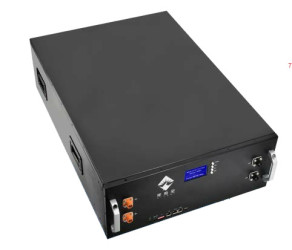
Uninterruptible power supplies are electrical devices. They are designed to provide short- or medium-term power to devices in the event of a power failure. The devices store energy and transfer it to consumers via built-in inverters, ensuring a stable current. A UPS consists of:
- batteries;
- a control unit;
- a voltage conversion system.
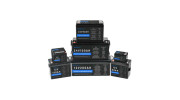
Modern UPS models increasingly use lithium batteries, which are smaller in size and offer stable performance. Depending on the format of use, there are portable solutions for local tasks and compact models for household appliances. Full-fledged uninterruptible power supplies for the home are capable of supporting the operation of boilers, pumps, and communication systems. High-quality UPSs guarantee a safe switch to backup power without damaging the equipment.
Advantages of UPSs
UPSs are not just additional batteries, but critically important elements of infrastructure for ensuring the stability and protection of electronic devices. Their main advantage is reliability. When the power goes out, the power supply is not interrupted. This is important for sensitive electronics: servers, computers or medical equipment will not fail unexpectedly.
The high level of protection provided by UPS is directly related to reliability. It is achieved by filtering out power surges, overloads and short circuits. This significantly extends the service life of expensive electronics, protecting them from damage caused by poor power quality.
Another advantage is the autonomy of the UPS: it provides the necessary time to correctly shut down the equipment, save data and turn it off safely. Although the autonomous operation time may be short, it is sufficient to avoid the loss of important information and minimise the risk of damage to operating systems. In general, thanks to the autonomy of the UPS, the equipment can operate for up to several hours. The specific period depends on the battery capacity.
An important aspect is the flexibility of UPS application. It consists in the ability to select a solution for a specific load. Uninterruptible power supply systems are available in a wide range of capacities and configurations (line-interactive, online). Therefore, you can choose the optimal device for both a home router and a large data centre. This will provide the exact level of protection required for a specific task.
In addition, modern UPS models demonstrate high energy efficiency, which is achieved through optimised battery charging mode: the devices are equipped with intelligent charge management systems. This allows you to optimise energy consumption from the mains and minimise your own losses during operation, which means lower operating costs.
The versatility of connection is also noted. Most UPSs are compatible with various types of network equipment, peripheral devices, and computer equipment. The versatility of uninterruptible power supply systems allows you to connect household appliances, servers, and cash register equipment.
Main types of uninterruptible power supplies
There are several types of UPS. The main ones are:
| UPS type | What the UPS is suitable for | UPS power | UPS battery life | UPS features |
| Offline (Offline/ Standby) | Small devices, office equipment, routers | Up to 1000 W | 5–10 min | Turns on only when the power goes out, a simple and affordable solution |
| Line-Interactive | Boilers, servers, telecommunications equipment | Up to 3000 W | 15–30 min | Stabilises voltage and protects equipment during short power outages |
| Online (Online/ Double Conversion) | Critical systems: servers, medical equipment, business | Up to 10,000 W | 30–60+ min | Continuous double conversion, maximum protection and stable operation during any power fluctuations |
The first type of UPS acts as a backup during short outages and is suitable for office equipment. Line-Interactive models stabilise voltage and are used for boilers, servers and telecommunications. Online solutions provide continuous double conversion and are used for critical facilities.
Each of these types of UPS has its own set of characteristics. These parameters include: power (measured in watts or kVA), which determines how many devices the UPS can power, and battery capacity. Other important parameters include:
battery type (affects the service life and weight of the device);
battery life (indicates how long the system will last without an external power supply);
presence of an inverter (necessary to convert the battery's direct current to alternating current to power devices).
Batteries can be lead-acid, gel or lithium. The power of the devices is (in W): Offline – up to 1000, Line-Interactive – up to 3000, Online – up to 10000. UPSs can operate autonomously (in minutes): offline 5–10, line-interactive 15–30, online 30–60 and more.
How to choose an uninterruptible power supply?
Choosing a high-quality UPS is an investment in stability, not just a purchase of a device. To avoid mistakes, you should clearly define the purpose of the device and the total power consumption.
Protecting sensitive medical equipment or a powerful gaming PC requires an Online (Double Conversion) UPS, while a Line-Interactive model is sufficient for backing up a Wi-Fi router or boiler. Calculate the total consumption of all devices that will be connected (W) and add a reserve of 25–30%. Please note: the main figure is the power in watts, not just in kVA, as the efficiency may vary.
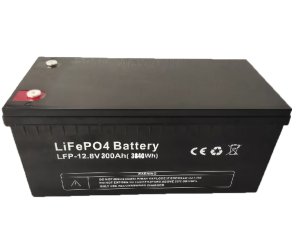
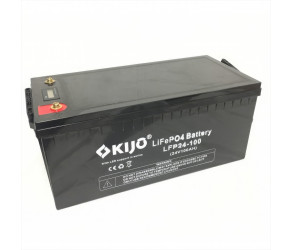
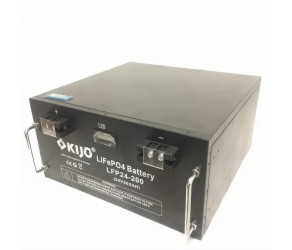
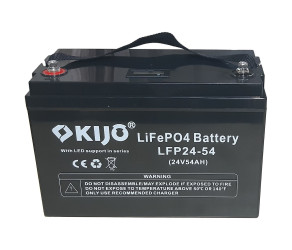
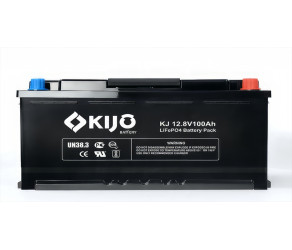
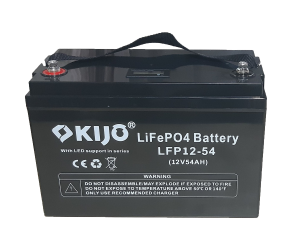
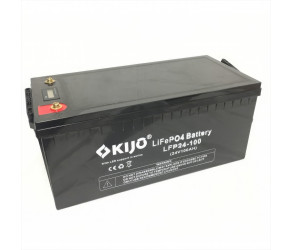
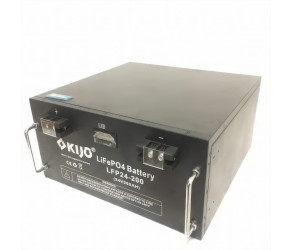
The type of battery is important for its service life and dimensions. Lithium batteries (LiFePO4) are suitable for frequent use, offer a longer service life and are lighter in weight. Classic batteries are suitable for stationary solutions. The choice of battery directly affects the duration of autonomous operation. Focus on this indicator based on your typical downtime. It is also worth considering that lithium batteries have a higher initial cost compared to traditional lead-acid (AGM) batteries.
In addition, pay attention to the type of inverter. For boilers and sensitive electronics, a pure sine wave output is essential, while an approximated (modified) sine wave is suitable for simple power supplies.
Also, don't forget about additional but important points: noise level (especially if the UPS will be located in a residential area), cooling efficiency. The manufacturer's warranty is also very important when purchasing uninterruptible power supply systems. It shows that the manufacturer is confident in its product.
Where to buy UPS (uninterruptible power supplies) in Ukraine?
The VADA online store offers a wide selection of UPSs: from basic models to professional devices. In the market, you can buy an uninterruptible power supply for your business, apartment or private home with an official warranty. The range includes various types of inverters, batteries and related equipment.
By choosing an uninterruptible power supply from VADA, you can forget about the risks of power outages. Ensure the stable operation of your equipment with reliable power systems.
FAQ
The backup time depends on the type of UPS and battery capacity: Offline – 5–10 minutes, Line-Interactive – 15–30 minutes, Online – 30–60 minutes or more. Lithium batteries provide longer operation compared to lead-acid batteries.
For sensitive equipment and servers, we recommend Online / Double Conversion, which provides continuous double conversion and maximum protection.
Yes, provided that the power and battery are correctly selected, you can connect different devices at the same time — from home appliances to server equipment.
 Filters
- Сторінка
- 1
- 2