






















-180x100.png)



Supply and exhaust chimneys for an efficient ventilation system: what you need to know
In modern construction, ventilation plays a critical role, because properly organized air exchange provides a comfortable and healthy environment to stay in. For this purpose, a system of supply and exhaust fireplaces (shafts) is often used, contributing to natural or mechanical air exchange. Let's consider the basic principles of such systems, their advantages and installation rules.
Advantages of supply and exhaust fireplaces
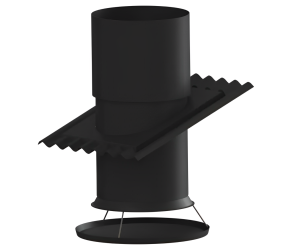
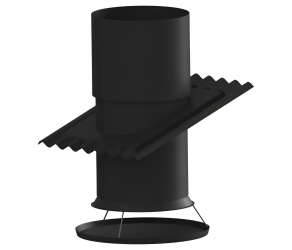
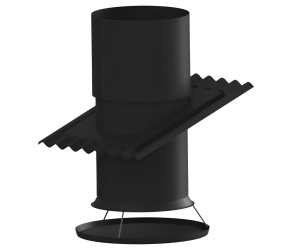
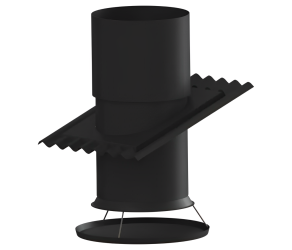
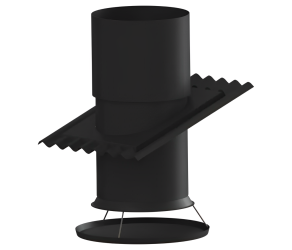
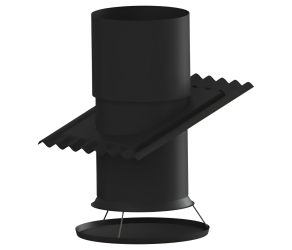
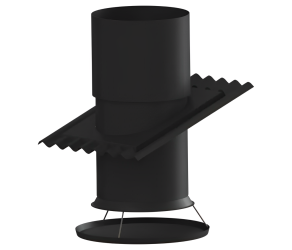
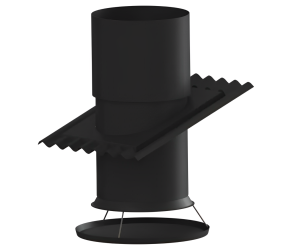
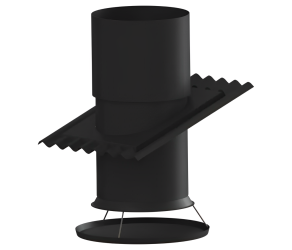
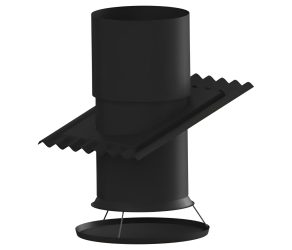
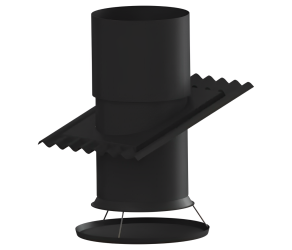
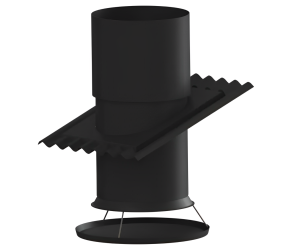
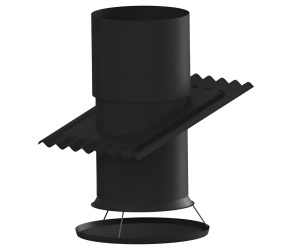
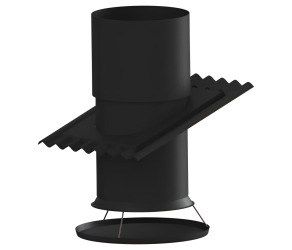
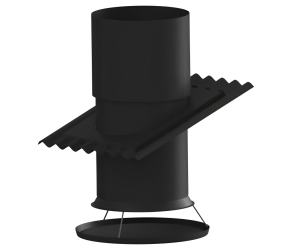
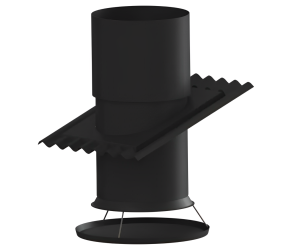
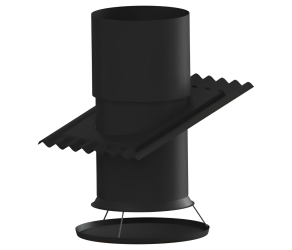
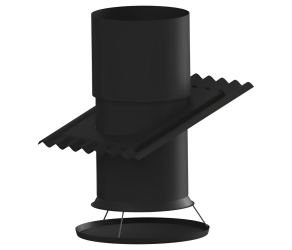
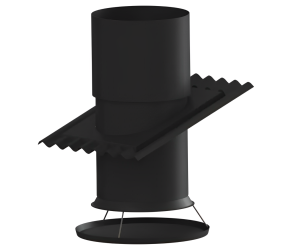
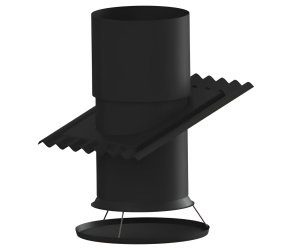
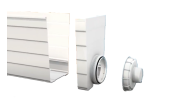
Supply fireplaces are channels or shafts that provide an inflow of fresh air from the outside into the room. They are often used in natural ventilation systems, where thanks to the difference in pressure and temperature, the external air enters the interior of the building.
Exhaust - these are channels through which the exhaust air is removed to the outside. With the help of a ventilation duct, unpleasant odors, moisture and dust are removed, which prevents the development of mold and bacteria.
Natural ventilation with supply and exhaust shafts reduces the need for electricity for ventilation equipment. Fireplace supply ventilation keeps the room at a comfortable temperature because the intake and exhaust is constant.
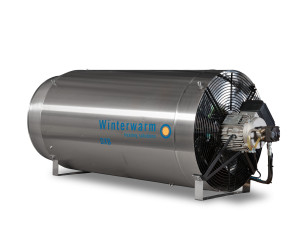
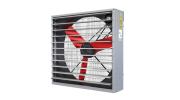
Fireplace supply ventilation is great for small spaces. But for commercial buildings and farms, mechanical ventilation is more appropriate. It can be easily integrated into a fireplace and shaft system where fireplace exhaust fans will be installed.
Supply or exhaust fireplace: which to choose?
When designing a ventilation system, it is necessary to choose the right type of design of supply and exhaust fireplaces (shafts) to ensure a comfortable and healthy microclimate in the room. An important component is also the materials that are used in such systems, because on their quality depends on the durability and safety of ventilation.
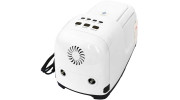
Exhaust fan for fireplace improves the draught in the system and contributes to a greater supply of air, which is important for optimal operation of the fireplace. A fireplace exhaust fan is especially useful when there are problems with natural draft due to chimney design or external factors such as high winds or low atmospheric pressure.
There are the following types of supply and exhaust fireplace designs: standard and automated. Natural air circulation, created by the difference in temperature and pressure inside and outside the structure, occurs in a standard fireplace. Among the pros are low maintenance costs, energy savings and ease of installation. However, the disadvantage is poor efficiency in the summer and the inability to adjust the airflow.
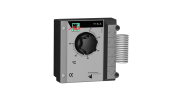
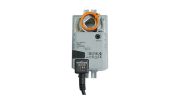
Automated fireplaces use fans or special electronic valves that provide a stable air supply and exhaust regardless of external conditions. Here you can adjust the power, but there are energy costs.
When choosing materials for ventilation ducts, it is important to consider the following factors:
- corrosion resistance - galvanized in stainless steel are best suited;
- heat and sound insulation - to reduce noise from air flows and avoid condensation choose polyurethane and mineral wool;
- environmental friendliness - materials should be safe for human and animal health;
- ease of cleaning - for the ventilation system to be effective, the ducts should be cleaned regularly.
Ventilation systems from Vada
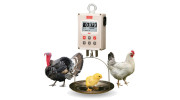
Vada company guarantees high quality of ventilation equipment of leading European manufacturers, manufactured by modern technologies and materials. The company's specialists are always ready to provide qualified advice and help in selecting equipment. A full range of services from installation to maintenance and repair is also offered. Direct contracts with manufacturers allow Vada to offer competitive prices for all equipment. You get high quality at an optimal price. Fireplace exhaust fans, including ventilation solutions for poultry houses, can be purchased inexpensively from Vada.
Tips for installing and maintaining supply and exhaust fireplaces
- Evaluate and develop a ventilation plan.
- Calculation of air exchange. Determining the required system capacity is key.
- Selecting high-quality materials. Because businesses often utilize large ventilation systems, materials must be resistant to corrosion, wear and tear, and chemical attack.
- Zoning the ventilation system. Businesses can divide the system into separate zones to allow for efficient air exchange in different rooms. This allows airflow to be regulated based on the needs of each zone and saves energy.
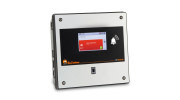
- Installation of automated exhaust and supply systems. The use of automatic fans, humidity and temperature sensors allows the system to operate at optimal parameters and change intensity depending on conditions.
- Proper location of air outlets and inlets. The supply duct for the fireplace should be located at the bottom of the rooms and the exhaust fan at the top to create a natural air flow.
 Filters