




















-180x100.png)



Medicines are effective helpers on the farm
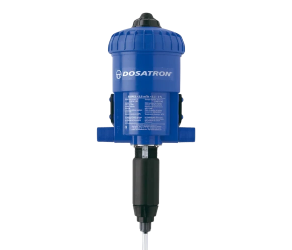
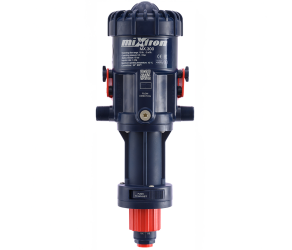
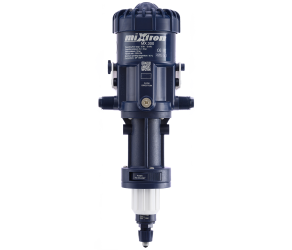
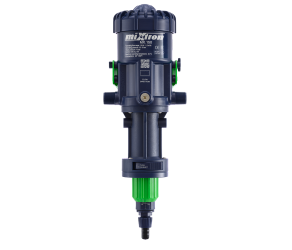
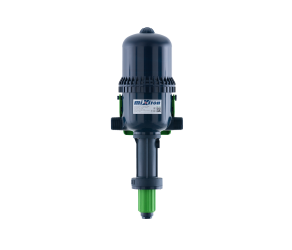
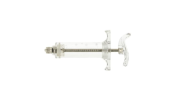
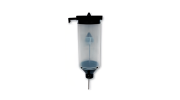
In modern livestock and poultry farming, animal health has a direct impact on farm productivity. But how can you ensure fast and effective treatment without causing unnecessary stress for livestock and time for farmers? This is where medication dispensers come in handy - devices that add medicines, vitamins, and other nutrients to water or feed, making prevention and treatment more convenient while ensuring accurate dosage and uniform consumption. After all, animals can't always get all the nutrients and medicines they need from food alone. These special devices are used to provide them with a balanced diet supplemented with preventive and therapeutic medications.
Types of medical devices
Depending on the principle of operation and the area of application, medication devices are divided into flow, proportional, electronic and mechanical. Here is a brief introduction to each type.
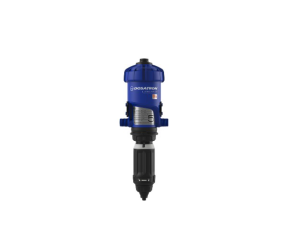
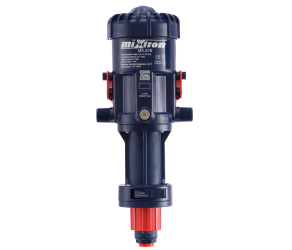
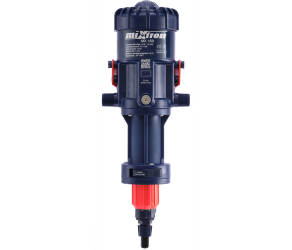
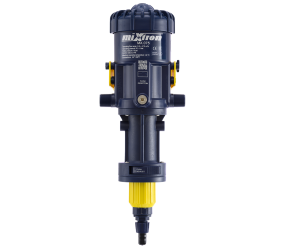
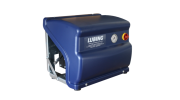
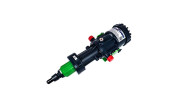
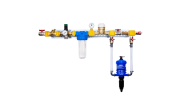
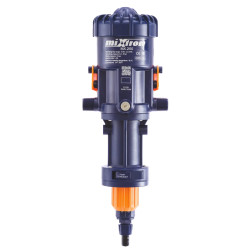
Flow-through medication dispensers provide uniform dosing, they automatically add drugs to water based on its flow rate and are used in water supply systems for animals and poultry. Unlike flow-through dispensers, proportional dispensers add the drug to water or feed in a precise ratio, regardless of changes in water flow. Such dispensers usually operate on the principle of vacuum mixing.
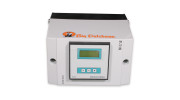
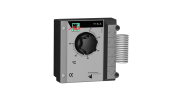
Electronic medication dispensers operate on the basis of electronic control systems to accurately dispense vitamins, medicines, or other supplements. One of their advantages is the possibility of programming and remote control.
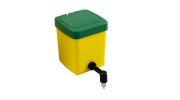
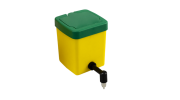
Mechanical dispensers operate without electricity, due to the water pressure drop. Easy to use and maintain, they are a good option for small and medium-sized farms.
Where is it used?
In poultry farming, medicated feeders are used to prevent diseases such as salmonellosis, coccidiosis, etc., as well as to stimulate growth and increase egg production. In the pig industry, these devices are often used to administer antibiotics, probiotics, and immunostimulants to help fight intestinal infections. In cattle breeding, they are used to administer vitamins, electrolytes, antiparasitic drugs and other supplements to maintain the health of cattle.
Benefits and risks of medicines?
Precise dosing makes it possible to control the amount of medicines, avoiding overdose or insufficient treatment.
Since medication dispensers automate the process, saving time for farm workers, they are easy to use. Due to the uniform distribution of medicines in feed or water, the effectiveness of treatment increases. There is no need for injections, which reduces the risk of stress in animals. There is also an economic benefit, as the optimal use of medicines reduces their overuse and optimizes the financial component of farmers.
If used wisely, medicines can be good helpers. But if they are viewed as a magic wand that will do everything at the proper level, you can face problems. For example, there is a risk of an overdose or, conversely, an insufficient dosage of drugs due to incorrect device settings, which can lead to negative consequences for animal health.
If the equipment is not properly maintained, there is a chance that drug residues or bacteria can get into the water supply, thereby contaminating the water. When using dispensers, you should be sure of a stable water supply on the farm, because if the pressure changes or there are interruptions in water supply, the efficiency of dosing may also decrease.
However, if you take these factors into account and use the dispensers correctly, set them up properly and maintain them regularly, they will be an effective tool for you to help you treat and prevent diseases for animals and poultry.
VADA has a large selection of dispensers that will become indispensable helpers in your farm. Contact us, ask questions - experienced specialists will always help you choose the best option for any equipment, because we have experience, knowledge and a clear understanding of our business.
 Filters