









-180x100.png)


26/11/2025
An effective and successful farm is one where all processes run smoothly and at the right time. Is this easy to achieve? Yes, if you have ‘eyes and ears’ that monitor all the parameters of animal or poultry breeding and accurately transmit information to the controller. Can you guess what they are? Sensors that help farmers manage their farms without incurring costs.
Challenges on the farm
Today's farms have become so technological that the slightest mistake, for example in the microclimate, can lead to significant losses: from a decrease in animal productivity to their death. And these changes may not be noticeable at first glance. For example, the temperature inside a cowshed may differ from the temperature at the entrance to the room. The same is true in a poultry house: humidity sometimes rises faster than the staff can notice.
Now imagine: if this is a large farm with many rooms, when can all this be tracked? Smart sensors for poultry farming have become a key element of automation systems on modern farms.
The same applies to water. A leak in the watering system is not only a loss of resources, but also a risk of constant humidity and a source of microbial growth. In many poultry houses, this leads to increased ammonia levels, a lack of fresh air for the birds, and loss of appetite. As noted by VADA engineer Oleksiy Yurchenko, any farm is destroyed not by major accidents, but by small, unnoticed changes – leaks, clogged fans. And it is sensors that see this before the human eye. Properly selected sensors for animal husbandry can significantly improve livestock productivity and reduce energy consumption.
How sensors help farmers in their work
Most farmers appreciate the role of sensors in production and do not engage in guesswork. Even the most experienced specialist is unable to track changes in real time. Without accurate data, the first signs of climate stress or insufficient water consumption can be missed. Standards for animal or poultry welfare and emissions control are becoming stricter, and decisions based on ‘eyeballing’ no longer work.
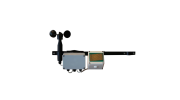
Monitoring systems for livestock farming combine all critical indicators into a single online dashboard. Sensors inside the poultry house, pigsty or cowshed collect information about temperature, humidity, CO₂, ammonia, air pollution and even water consumption. This data is updated hourly and sent to the farm server. "You open the dashboard and immediately see where the temperature has risen, where the humidity has changed, where the pressure has dropped. And most importantly, you have time to fix everything before it becomes a problem with negative consequences," says an engineer at VADA.
Seasonality also matters: in summer, temperature and CO₂ sensors help control overheating and ventilation levels. In autumn and spring, ventilation indicators are also monitored to prevent condensation from accumulating. In winter, water level and temperature sensors help prevent pipes from freezing, which is critical for watering systems. Humidity sensors are responsible for maintaining an optimal microclimate in the room.
Types of sensors and their applications
Each sensor performs a specific function, and together they create the appropriate conditions for the livestock.
Temperature and humidity sensors control comfort in poultry houses, cowsheds or piggeries, helping to prevent overheating and excessive humidity.
CO₂ sensors monitor the level of carbon dioxide, which is an indicator of ventilation quality. If it rises, the animals experience oxygen deficiency.
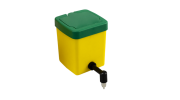
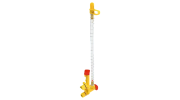
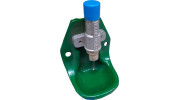
Water level sensors control the pressure and supply in nipple drinkers, tanks and pipes. This prevents leaks, freezing and insufficient water consumption.
Light sensors maintain the correct lighting conditions, which greatly affect the growth of broilers and the productivity of laying hens.
Pressure sensors are used in heating, ventilation and water supply systems and detect fluctuations that signal a malfunction.
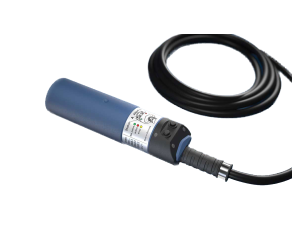
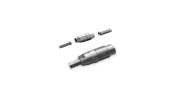
Inductive sensors monitor the movement of conveyors, screws and manure removal systems. They operate without contact, are highly reliable and have a long service life.
Sensors for feeding systems allow you to accurately control feed levels, automatically signalling when a new portion of feed is needed.
How to choose the right sensor for your farm?
The cost of sensors is, of course, important, but you should not choose them based on price alone. Before buying a sensor, analyse the conditions in which it will operate and what it is needed for: ammonia, dust, humidity, temperature fluctuations. Not every sensor can operate in a harsh environment for a long time and display accurate data. Also consider:
- moisture protection and tightness of the housing,
- cable length and the possibility of remote installation,
- adaptation to ammonia and corrosion,
- response speed and measurement accuracy,
- the possibility of integration into already installed equipment.
There are not many companies on the domestic market that offer comprehensive solutions for monitoring growing conditions. The VADA online store stands out because it does not just sell sensors, but integrates them into ready-made engineering systems – automatic feeding, watering, microclimate, manure removal, ventilation and heating. Here you can buy temperature sensors, microclimate sensors, feed level sensors and any equipment for poultry and livestock farming.
The company has direct contracts with digital sensor manufacturers, so the equipment works long and accurately. ‘The right sensor is not just a device. It is peace of mind for the farmer. Because you know exactly what is happening on the farm, even when you are not there,’ concludes Oleksiy Yurchenko.
If you need to buy sensors for farms or find an engineering solution, contact VADA: we offer not only a wide range of products, but also experience, quality assurance, fast delivery and loyal purchase terms. With us, you will be more successful!
26/11/2025